
Roosmarijn Vandenbroucke - Peripheral-brain communication in neuroinflammatory disorders
Vlaams Instituut voor Biotechnologie, Belgium
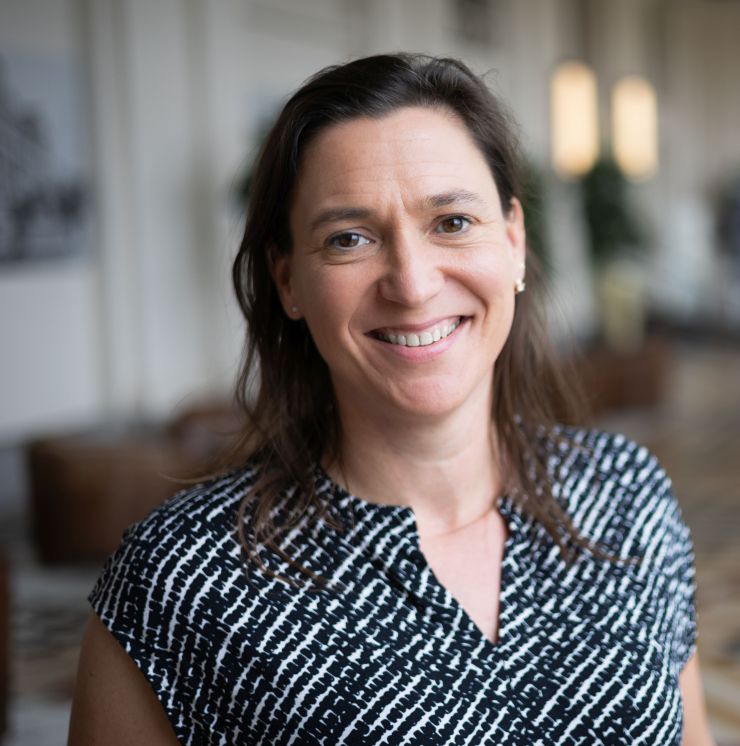
Roosmarijn Vandenbroucke is Professor at Ghent University and
Principal Investigator at the VIB Center for Inflammation Research (Belgium).
Her research aims to unravel how peripheral signals communicate with
the brain across biological barriers and how these pathways contribute to
neuroinflammatory and neurodegenerative diseases. She is the recipient of
a prestigious ERC Consolidator Grant and, in 2017, received the Baillet Latour
Grant for Medical Research from Her Majesty Queen Mathilde of Belgium in
recognition of her scientific achievements. Her work has advanced our
understanding of extracellular vesicles, inflammation, and brain barrier biology,
and has generated novel opportunities for therapeutic intervention.
Her research bridges fundamental biology and translational medicine,
with a strong focus on understanding disease mechanisms and developing
innovative strategies to diagnose and treat disorders of the central nervous system.
https://vandenbrouckelab.sites.vib.be/en#/
Alon Friedman
Dalhousie University, Halifax, Nova Scotia, Canada
Jackie Schiller- Dendrites in motor control and learning
Technion – Israel Institute of Technology, Israel
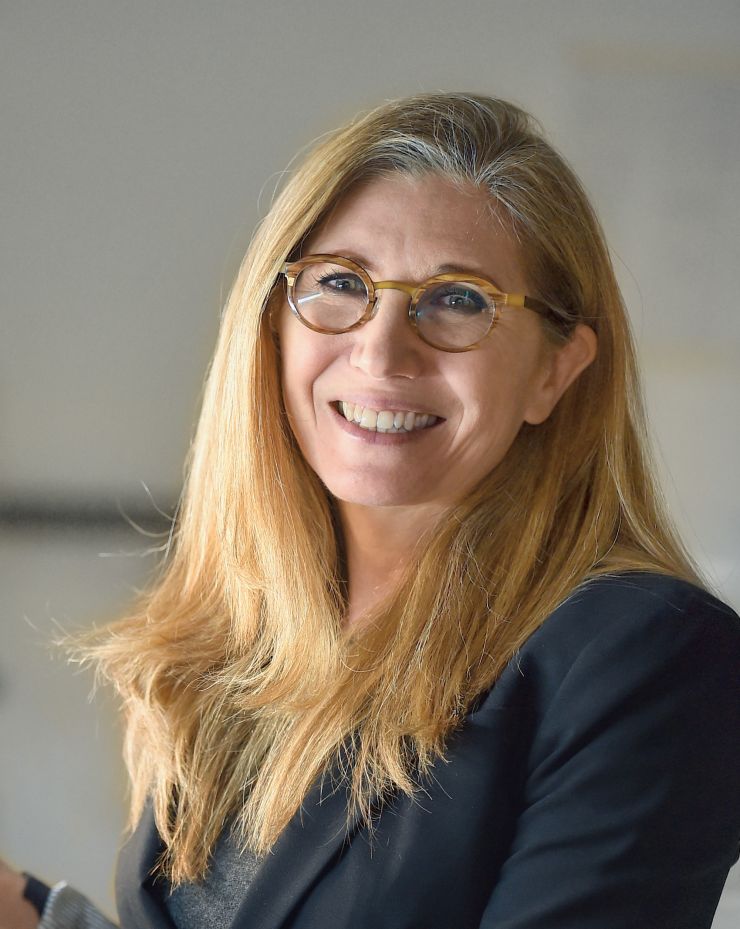
Professor Jackie Schiller is a distinguished neuroscientist at the
Rappaport Faculty of Medicine, Technion – Israel Institute of
Technology, specializing in neuronal information processing, dendritic
physiology, and cortical circuit function. Her research focuses on the
role of dendritic computations and synaptic plasticity in sensory
processing, motor learning, and behavior. Her work has provided
fundamental insights into how dendritic electrical activity
contributes to neuronal integration, cortical representations, and
experience-dependent plasticity. More recently, her research has
explored cell-type-specific activity and network dynamics in the motor
cortex, including their involvement in motor learning and dysfunction
in Parkinson’s disease. Her scientific achievements have been
recognized by numerous prestigious awards, including an ERC Advanced
Grant in 2024.
https://schillerj.net.technion.ac.il/
Gilles Laurent - Behavior, brain computation and evolution
Max Planck Institute for Brain Research, Germany
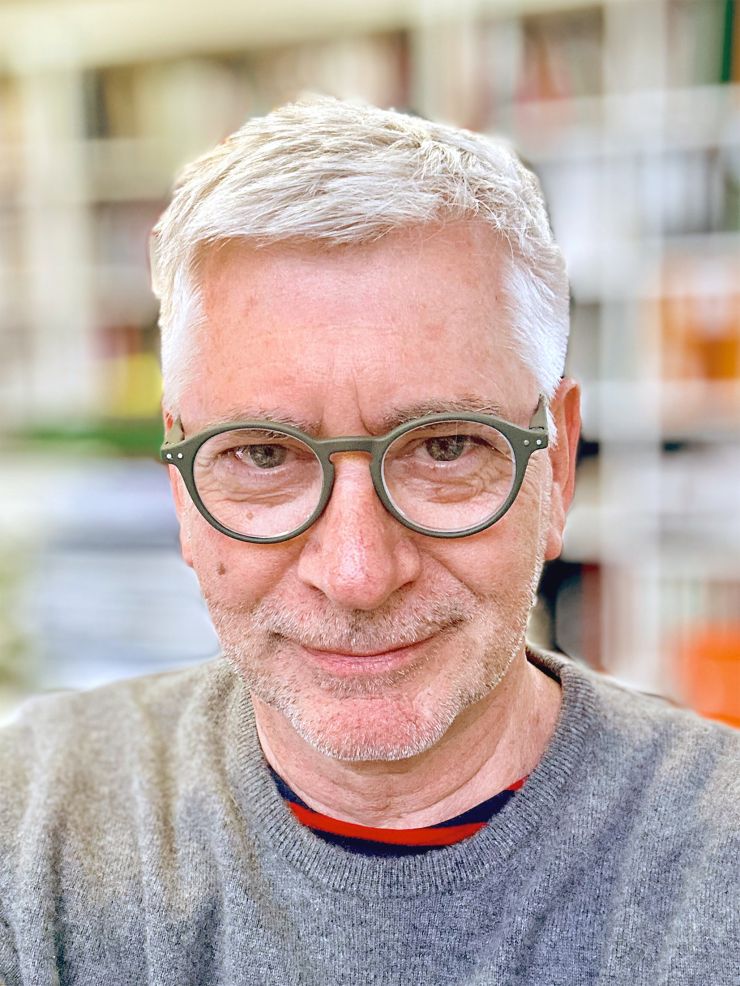
Gilles Laurent, a French citizen, was born in Casablanca (Morocco)
and grew up in Marrakech, Rabat and Toulouse. He obtained a Doctorate
in Veterinary Medicine from the National School of Veterinary Medicine
(Toulouse, France) and a Ph.D. in Neuroethology from the Université
Paul Sabatier (Toulouse, France), both in 1985. He then moved to the
University of Cambridge (UK) where he was a Postdoctoral Fellow and
Locke Research Fellow of the Royal Society in the lab of the Late
Malcolm Burrows, from 1985 to 1989. In 1990, he joined the faculty of
the Division of Biology at the California Institute of Technology
(USA) where he spent 20 years. In 2009, he moved to Frankfurt,
Germany, together with his wife, Erin Schuman, where they became the
founding directors of a new Max Planck Institute for Brain Research.
His interests are in understanding computation in neuronal networks,
using mechanistic, computational and evolutionary perspectives.
https://brain.mpg.de/laurent